Healthy food
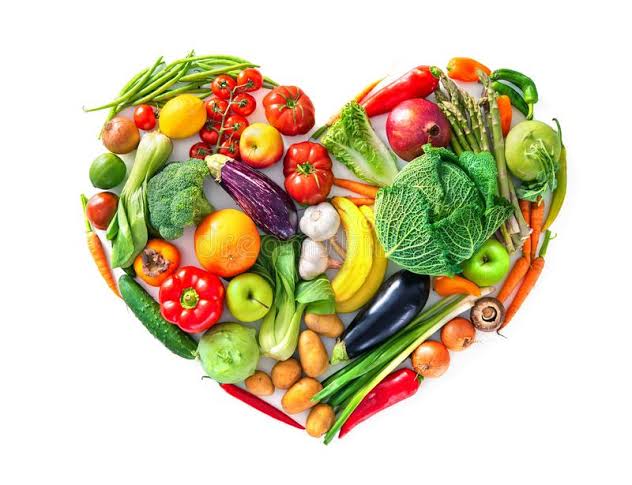
Eating healthy is a crucial part of living a good life. It prevents chronic diseases, promotes mental health, and maintains a healthy weight. However, with so much conflicting information about what constitutes a “healthy” diet, it can be challenging to know where to start. In this article, we will discuss some of the top tips for eating healthy and building a balanced diet that works for you.
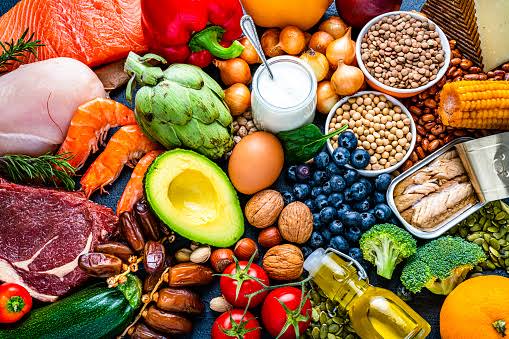
First, let’s define what a healthy diet is. A healthy diet is one that provides all of the essential nutrients in the right amounts to help support optimal health. This includes macronutrients (proteins, carbohydrates, and fats) and micronutrients (vitamins, minerals, and antioxidants). Here are some tips for building a healthy diet:
1. Eat a variety of foods:
Eating a variety of foods ensures that you get all the essential nutrients to support optimal health. Choose fruits, vegetables, whole grains, legumes, nuts, and lean meats. Avoid processed and packaged foods as they tend to be high in calories, sugars, and unhealthy fats.
2. Include protein:
Protein is essential for building and repairing tissues in the body. It also helps to maintain a healthy immune system and promote muscle growth. Good sources of protein include animal products such as lean meats, chicken, fish, and eggs, as well as plant-based proteins such as beans, lentils, tofu, and tempeh.
3. Choose healthy fats:
Healthy fats, such as those found in avocados, nuts, seeds, and fish, are vital for maintaining healthy skin, hair, and nails. They also help to reduce inflammation in the body and promote heart health. However, it’s essential to consume these foods in moderation as they are high in calories.
4. Incorporate whole grains:
Whole grains are an excellent source of fiber, which helps to keep you feeling full and satisfied. They also contain essential vitamins and minerals, such as B vitamins, iron, and zinc. Examples of whole grains include brown rice, quinoa, oats, and whole-grain bread and pasta.
5. Limit processed foods:
Processed foods tend to be high in calories, unhealthy fats, and sugars. They can also contain additives that are not beneficial for overall health. Opt for whole, natural foods instead, and prepare meals at home as much as possible.
6. Watch your portions:
While it’s essential to eat a varied and balanced diet, it’s also crucial to watch your portions. It’s easy to overeat, which can lead to weight gain and other health issues. One tip is to use smaller plates, which can help with portion control.
7. Stay hydrated:
Water is essential for good health and can also help with weight management. Drinking water before meals can help you feel fuller and eat less. Carry a water bottle with you throughout the day to ensure you stay hydrated.
8. Incorporate healthy snacks:
Snacking can be a healthy part of your diet if you choose the right foods. Opt for snacks such as fruits, vegetables, nuts, and seeds, or low-fat dairy products. These foods provide essential nutrients and help keep you feeling full and satisfied.
9. Be mindful of added sugars:
Added sugars are a significant contributor to weight gain and can lead to chronic diseases such as type 2 diabetes and heart disease. Be mindful of foods and drinks that contain added sugars, such as candy, soda, and other sugary beverages, and try to limit your intake.
10. Limit alcohol consumption:
Alcohol is high in calories and can lead to weight gain if consumed in excess. It’s essential to limit your alcohol intake and choose drinks that are lower in calories, such as wine or light beer.
In conclusion, eating healthy is all about making the right choices and finding a balance that works for you. It’s essential to focus on nutrient-dense whole foods and limit processed and packaged foods as much as possible. Incorporate a variety of foods to ensure you get all the essential nutrients, and watch your portions to avoid overeating. Staying hydrated, incorporating healthy snacks, and being mindful of added sugars and alcohol can also help support your overall health and wellness. Remember, healthy eating is a lifestyle, and it’s all about progress, not perfection.
Thanks for reading



 gyrotech